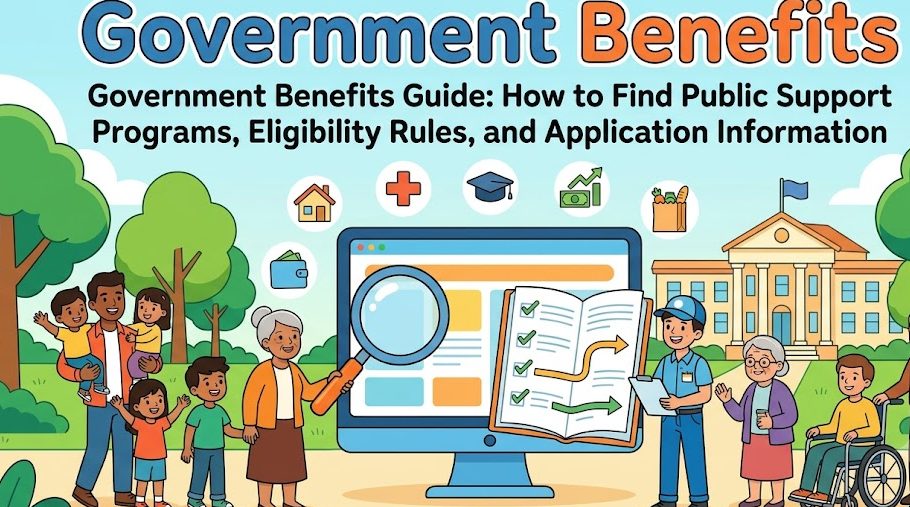
A practical approach to finding programs understanding eligibility requirements preparing applications and keeping track of important information.
Government benefits can help eligible individuals and families manage important expenses during different stages of life. Programs may provide assistance with food housing healthcare education utilities employment family support or other needs. The challenge is often not simply finding a program. It is understanding which program may apply what rules are involved and how to complete the application correctly.
Public support programs can differ significantly by location income household circumstances age employment situation and other factors. Some programs are managed at the federal level while others are operated by state county or local agencies. Because requirements can change applicants should always verify current information through the appropriate official government source before submitting an application.
Start by Identifying the Type of Help You Need
The search for government assistance becomes easier when the need is clearly defined. Someone looking for help with groceries will generally need different information from someone looking for housing assistance or education support.
Start by describing the situation in simple terms. Consider whether the main need involves food household expenses housing healthcare education employment childcare transportation energy costs or another area.
This first step prevents a common problem where people search through large numbers of unrelated programs without understanding what they are actually looking for.
Understand How Eligibility Rules Work
Eligibility is one of the most important parts of any public support program. A person may qualify for one program but not another because each program can use different rules.
Common eligibility factors may include household income household size age residency employment status disability status student status family circumstances or other program-specific requirements.
Income rules can also be more complicated than simply looking at a single monthly number. Some programs consider different types of income and may use specific definitions when calculating eligibility.
Do not assume that being rejected from one government program means you are automatically ineligible for every other program. Different programs have different rules and purposes.
Use Official Sources First
Government benefit information is frequently discussed on websites social media pages and private assistance directories. These sources can sometimes help people discover programs but the final eligibility rules should be confirmed through an official government source.
Look for the agency responsible for administering the program. Official websites generally explain eligibility application methods required documents deadlines and contact options.
Official Program Page
Use the official agency website to review current program rules application instructions and eligibility information.
Local Government Office
Local agencies may provide additional information about programs available in a particular state county city or community.
Build an Application Information Folder
Keeping important documents organized can make applications much easier. Requirements differ by program so applicants should follow the exact documentation instructions provided by the responsible agency.
A personal organization system can include identification information income records housing information household details employment records and other documents that may be requested.
Digital copies can be useful when online applications are available. Physical copies may also be helpful when an agency requires an in-person appointment or paper submission.
A Simple Application Process
Applications can feel complicated when several steps are presented at once. Breaking the process into smaller stages makes it easier to manage.
Find the Program
Identify the official program that appears relevant to your situation and location.
Read the Requirements
Review eligibility rules carefully before starting the application.
Prepare Information
Gather the documents and information specifically requested by the agency.
Submit the Application
Use the application method provided by the official program such as an approved online portal mail process or office appointment.
Track the Status
Keep confirmation numbers notices and agency contact information so the application can be followed up when necessary.
Pay Attention to Deadlines
Some public programs have application deadlines while others allow applications throughout the year. Renewal periods may also have separate deadlines.
Do not rely only on memory. Write important dates in a calendar or reminder system. Save emails letters and confirmation messages that contain instructions about future action.
If an agency requests additional information the response deadline can be particularly important. Missing a requested document may delay the review or affect the application.
Keep Every Confirmation
After submitting an application save the confirmation page email reference number or other proof of submission when available. These details can be useful if you need to contact the agency later.
Understand That Benefits Can Change
Government programs are not necessarily permanent in the same form. Eligibility thresholds payment amounts application procedures funding rules and program structures can change over time.
Applicants should therefore avoid relying on old social media posts screenshots or outdated articles when making important decisions.
The safest approach is to use current information from the agency responsible for the program.
What to Do If an Application Is Denied
A denied application does not always mean the process is finished. The agency notice should explain the reason for the decision and whether there is a review appeal reconsideration or correction process available.
Read the notice carefully. If information was missing or incorrect there may be a process for providing additional information.
Do not submit random documents without understanding what the agency is requesting. Following the instructions in the official notice can make the next step much clearer.
Be Careful With Benefit Scams
Government assistance programs can attract scammers because people may be actively searching for financial support. Fake websites messages emails and social media accounts may claim to provide guaranteed benefits or faster approval.
Be cautious when someone asks for unusual payments personal information or account credentials in exchange for access to a government program.
Verify the organization before providing sensitive information. When possible start from the official government website rather than clicking an unexpected message.
A Simple Safety Habit
If a message claims that you have been approved for a benefit you never applied for verify the claim independently through the responsible government agency before taking action.
Keep Your Information Accurate
Applicants should provide truthful and accurate information. Government agencies may verify information during the application or review process.
If circumstances change after approval the program may require the participant to report those changes. Examples can include changes in household circumstances income address employment or other factors depending on the specific program.
Always follow the reporting requirements provided by the agency.
Use a Personal Benefits Checklist
A simple checklist can help organize the process without making it complicated.
Make the Search More Efficient
Searching for government benefits can become overwhelming when dozens of programs appear in search results. A focused method is usually better.
Begin with the specific need. Then identify the government level involved. Next review the eligibility rules. After that compare the application requirements and determine whether the program is worth applying for.
This process helps avoid spending hours on programs that clearly do not match the household’s circumstances.
Keep a Record of Your Applications
If you apply for several programs it can become difficult to remember dates contacts and reference numbers.
A simple private record can contain the program name application date confirmation number agency contact information and next expected step.
Keep this information secure because some application records may contain sensitive personal or financial information.
Think Beyond One Program
Public assistance systems often contain multiple programs designed for different needs. One program may focus on food while another addresses housing education healthcare utilities or employment support.
However applying for multiple programs should never mean submitting inaccurate information. Each application should be completed according to its own rules.
The best approach is to understand each program separately and determine whether the household genuinely meets its requirements.