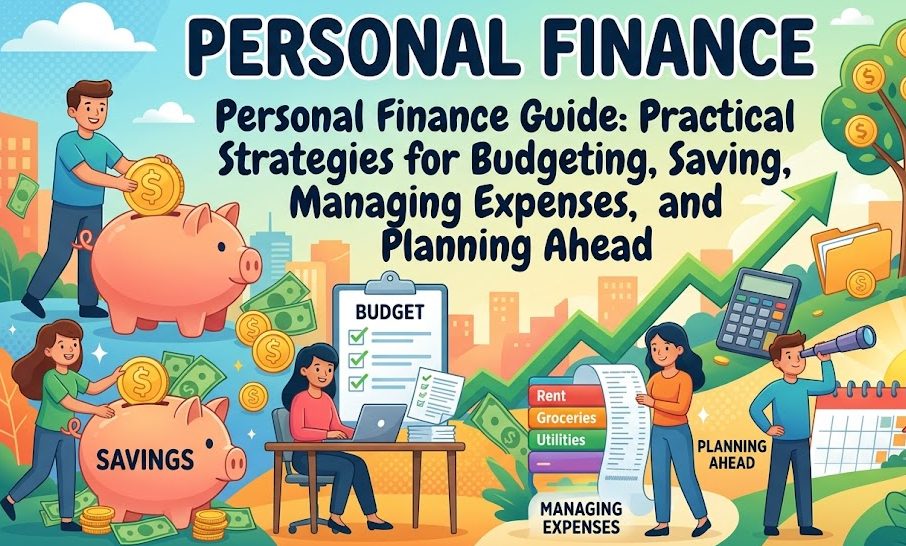
Personal finance is not only about earning more money. It is also about understanding where money goes, preparing for expected and unexpected expenses, building savings, managing debt, and making financial decisions that support your future goals. A practical financial system does not need to be complicated. It can begin with a clear view of income and expenses, followed by simple habits that make money easier to manage over time.
Start With a Clear Picture of Your Money
The first step in personal finance is understanding your current financial position. Before creating a complicated budget or setting ambitious savings goals, identify how much money comes into your household and where it goes.
Include regular income as well as recurring expenses. Housing, food, transportation, utilities, insurance, subscriptions, education, debt payments, and everyday purchases can all affect your available money. Looking at these numbers honestly creates a foundation for better decisions.
Know Your Income
Understand the amount you regularly receive and when it arrives. If your income changes from month to month, use a conservative estimate when planning essential expenses.
Know Your Expenses
Review both regular bills and smaller everyday purchases. Small expenses can become significant when repeated frequently.
Build a Practical Monthly Budget
A budget is a plan for how your available money will be used. It should be realistic enough to follow rather than so restrictive that it becomes difficult to maintain.
Begin with essential expenses, then consider savings, debt payments, flexible spending, and personal goals. If your expenses consistently exceed income, the budget can help identify where adjustments may be possible.
Separate Needs From Wants
One of the most useful budgeting skills is learning to distinguish essential spending from purchases that are optional. This does not mean that every non-essential purchase is bad. It simply means understanding the difference so that spending decisions become intentional.
Essential Spending
Essential expenses are costs that support basic living, work, education, health, transportation, or important household responsibilities.
These expenses should generally be considered first when planning a monthly budget.
Flexible Spending
Optional spending can include entertainment, hobbies, dining out, shopping, travel, and other activities that can be adjusted when financial priorities change.
The goal is not to eliminate enjoyable spending. A sustainable financial plan leaves room for reasonable personal choices while making sure important obligations and future goals remain protected.
Build an Emergency Fund
Unexpected expenses can disrupt even a carefully prepared budget. Vehicle repairs, household problems, temporary income changes, urgent travel, or other unexpected costs can create financial pressure when there are no savings available.
An emergency fund provides a financial buffer for situations that were not included in the normal monthly budget. The appropriate amount depends on individual circumstances, income stability, household responsibilities, and regular expenses.
Manage Debt With a Clear Strategy
Debt can become difficult to manage when multiple payments, interest charges, and different due dates compete for attention. Keeping accurate records of balances, rates, minimum payments, and due dates can make the situation easier to understand.
Prioritize required payments first and avoid missing deadlines. When your budget allows additional payments, consider which debts are costing you the most or which strategy best fits your financial circumstances.
Set Financial Goals That You Can Measure
Financial goals provide direction for your savings and spending decisions. Instead of simply deciding to “save more,” create a specific target with a realistic timeframe.
Short-Term Goals
These may include building initial savings, paying a particular bill, purchasing necessary equipment, or preparing for a planned expense.
Medium-Term Goals
These can include education, relocation, a vehicle, a larger purchase, business preparation, or increasing financial reserves.
Long-Term Goals
Long-term planning may include retirement, home ownership, financial independence, family objectives, or other major future priorities.
Control Recurring Expenses
Recurring expenses deserve special attention because they continue affecting the budget month after month. Subscriptions, memberships, software services, insurance, communication plans, and other recurring charges can accumulate without being noticed.
Review these expenses periodically. Ask whether each service is still useful, whether the plan can be changed, or whether a less expensive alternative meets the same need.
Even a small recurring expense can become meaningful when it continues for many months. Reviewing these charges creates an opportunity to redirect money toward savings, debt reduction, or another important goal.
Develop Better Everyday Money Habits
Personal finance improves through repeated actions rather than one large financial decision. Simple habits can make it easier to stay aware of your financial position.
Review Transactions
Check account activity regularly so that unexpected charges, forgotten subscriptions, or unusual transactions are noticed quickly.
Plan Major Purchases
Give yourself time to compare prices, consider alternatives, and decide whether a purchase fits your current priorities.
Avoid Impulse Decisions
For non-essential purchases, taking a short pause can help determine whether the item is genuinely needed or simply appealing at the moment.
Keep Financial Records
Maintain important statements, loan information, insurance records, tax documents, and other financial paperwork in an organized place.
Plan Ahead for Large Expenses
Major expenses are easier to manage when they are anticipated. If you know that insurance, education, travel, home maintenance, vehicle costs, or another large expense is approaching, begin preparing before the payment is due.
Estimate the likely cost, determine the expected date, and divide the amount into manageable saving targets where appropriate. This can reduce the need to rely on last-minute borrowing.
Protect Your Financial Information
Good personal finance management also includes protecting accounts and sensitive financial information. Use strong passwords, secure devices, reputable financial services, and careful verification when receiving unexpected messages about money.
Be cautious when someone requests account credentials, payment information, verification codes, or other sensitive details through an unexpected email, message, phone call, or website. When something appears suspicious, contact the relevant financial institution through an independently verified official channel.
Review Your Financial Progress
A financial plan should change as your circumstances change. Income may rise or fall, household responsibilities may change, debt may be paid off, and new goals may become important.
Set aside time periodically to review your budget, savings progress, debts, recurring expenses, and upcoming financial needs. You do not need to rebuild your entire financial system every time. Small adjustments can keep the plan aligned with your current situation.
Reviewing progress can also reveal positive changes that are easy to overlook. A reduced debt balance, growing emergency savings, lower monthly expenses, or consistent saving habit can all represent meaningful progress.
Think Beyond the Current Month
Personal finance is ultimately about balancing today’s needs with tomorrow’s possibilities. A budget should help you handle current expenses while also creating room for future goals.
As your financial position improves, consider how additional money could support important priorities such as building savings, reducing expensive debt, improving skills, preparing for major expenses, or planning for the future.
There is no single financial system that works perfectly for everyone. Household income, responsibilities, location, goals, and personal priorities are different. The most useful approach is one that you understand, can maintain, and can adjust when your circumstances change.
Build a Financial System You Can Maintain
Strong personal finance habits are built through consistency rather than perfection. Start by understanding your income and expenses, create a realistic budget, control unnecessary costs, build savings, manage debt responsibly, and prepare for future expenses. Review your progress regularly and make adjustments as your life changes. With a clear system and practical habits, money management can become less stressful and more intentional, helping you make better decisions today while preparing for the opportunities and responsibilities of tomorrow.